Coffee Carts vs Coffee Trucks for Events in Denver, Colorado
Events come with real constraints. Space can be tight, weather shifts quickly, and guests expect coffee that’s easy to access and enjoyable throughout the day.
A truck may sound exciting, but require more room than expected. A cart may feel simpler, but questions about capacity and value linger. Those choices directly affect guest flow, comfort, and overall experience.
This guide compares coffee carts vs coffee trucks for events in Denver, Colorado, based on real local event service. Let’s help you understand the differences so you can choose what actually works for your event.
Why Choose a Coffee Cart or a Coffee Truck
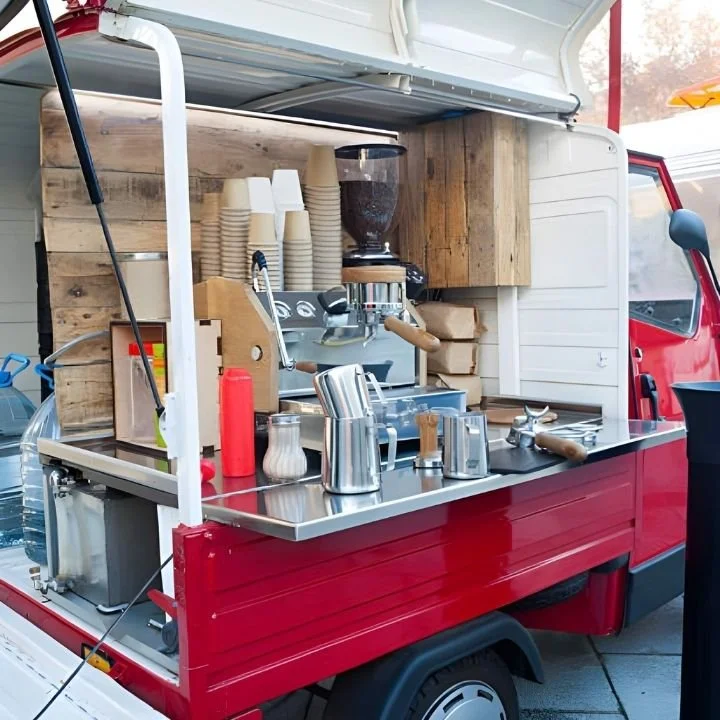
Both options serve great coffee, but they work differently once space, crowd size, and setup are factored in. Knowing how each one functions helps you choose what fits your event instead of forcing a setup that doesn’t.
Coffee Carts
Coffee carts work best for weddings, private parties, and corporate events where space is limited, or guests stay in one main area, especially indoors. They fit easily inside venues or on patios, let guests walk right up to the barista, and create a more personal, relaxed experience.
That flexibility explains why industry research shows the global coffee cart market is growing fast, driven by demand for mobile, event-friendly coffee setups.
Coffee Trucks
Coffee trucks are a good fit for outdoor events where space isn’t limited. Service happens through a window, which keeps lines moving efficiently. While they’re common at festivals and street events, they can work for any gathering as long as there’s enough outdoor room for parking and guest flow.
Venue Fit Breakdown

Choosing between a coffee cart and a coffee truck often comes down to where your event is held and how much space is available. The following breakdown shows how each option fits different types of venues:
Coffee Carts
Fit into ballrooms, rooftops, office lobbies, and patios
Typically need about a 5×5-foot space and a standard power outlet
Easy to move in and out without parking requirements
Work well indoors or outdoors and are less affected by weather
Coffee Trucks
Require outdoor space and room to park
Best suited for open lots, street-facing venues, and large outdoor areas
Serve guests through a window, which supports steady foot traffic
More dependent on parking rules and weather conditions
What Setup Looks Like on Event Day
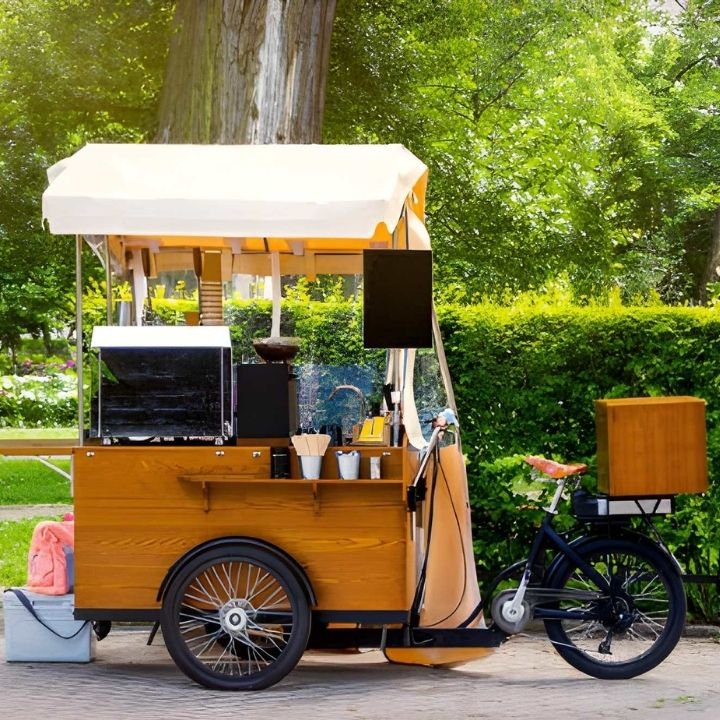
Coffee carts are quick and straightforward to set up. Most only need a standard power outlet, and the counter can be unfolded and ready to serve in under 30 minutes.
A single barista can manage the entire setup, which makes carts easier to fit into tight schedules or indoor venues without disrupting the event flow.
Coffee trucks take more time and coordination. Parking placement, access clearance, and power needs all have to be confirmed in advance, and generators may be required if electricity isn’t nearby.
How the Guest Experience Feels
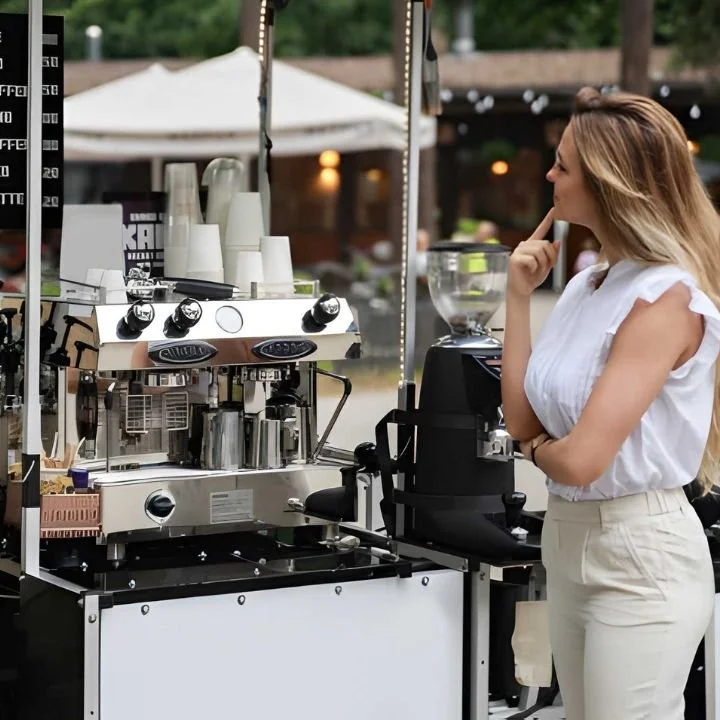
Coffee carts create a more personal experience. Guests stand close to the barista, watch their drinks being made, and often strike up easy conversations while they wait.
That face-to-face interaction makes the moment feel relaxed and social, with coworkers chatting and wedding guests sharing photos of their drinks.
Coffee trucks are built for speed. Ordering happens through a window, which works well when large crowds need to move quickly. This setup keeps lines flowing at busy outdoor events, but the interaction is brief and more transactional compared to a cart.
Cost and Pricing Guide

Coffee carts are usually the more affordable option for most events. Small gatherings often fall between $500 and $800, while larger setups typically range from $800 to $1,500. Extended service with custom upgrades can reach around $2,500. Pricing stays predictable because carts have fewer operating costs.
Coffee trucks generally start higher, often at $1,200 or more. This is because:
Fuel and vehicle maintenance are built into the price
Insurance and permit requirements are higher
Parking and space needs add logistical costs
Because of this, trucks often cost 20 to 30 percent more overall.
Denver Weather Impact
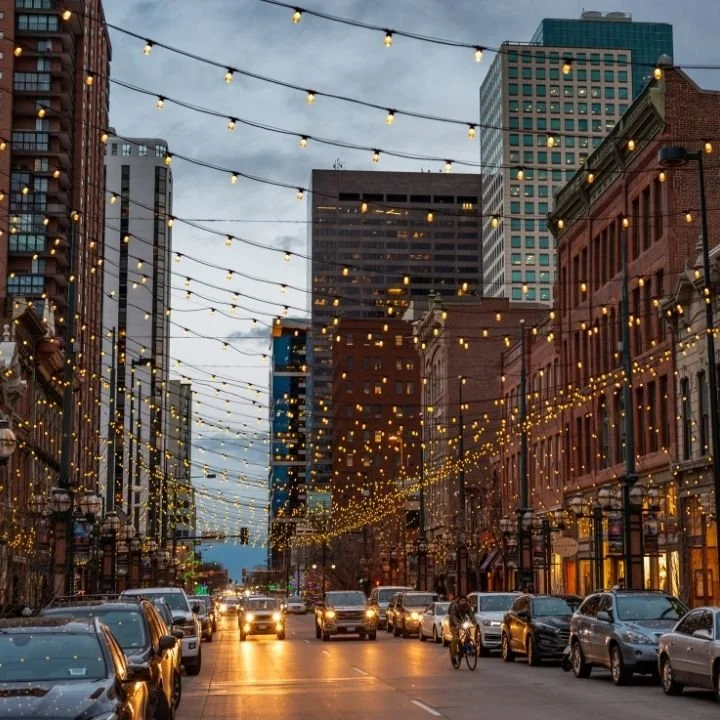
Denver weather can change quickly, which makes reliability an important factor when choosing coffee service. Coffee carts work well in all seasons because they can be set up indoors or in covered areas. Guests stay warm and comfortable, and service is not affected by wind, rain, or snow.
Coffee trucks operate outdoors, so weather plays a bigger role. Cold temperatures, strong winds, or storms can slow service or make conditions uncomfortable for both guests and staff. Trucks work best during warmer months when outdoor spaces are part of the plan.
Choosing What Actually Works for Your Event
When comparing coffee carts vs coffee trucks for events in Denver, Colorado, the best option depends on your space, weather, and how you want guests to interact.
Coffee carts work well for most indoor and smaller events, while coffee trucks make sense for larger outdoor gatherings.
We offer coffee carts for weddings, corporate events, and private gatherings, and for a unique outdoor experience, you can also book our fully converted VW bus.
Reach out today to talk through your event and choose the setup that works best for your space and guests!
Frequently Asked Questions
Is a coffee cart or a coffee truck better for indoor events in Denver?
For indoor events, coffee carts are usually the better option. They fit easily inside venues, require minimal space, and only need a standard power outlet. Coffee trucks must stay outdoors, which limits their use for indoor weddings, corporate events, or venues without nearby parking access.
How much space do I need for a coffee cart versus a coffee truck?
A coffee cart typically needs about a 5×5-foot area and access to power, making it suitable for most venues. Coffee trucks require outdoor parking space, room for guest lines, and clearance for service windows, which can be challenging at tighter or urban locations.
Can coffee trucks work for private parties?
Yes, coffee trucks can work for private parties if the event is outdoors and there is enough space for parking and guest flow. They are often chosen for backyard parties, open lots, or large outdoor gatherings where guests expect walk-up service and faster drink output.
Does Denver weather affect coffee carts and coffee trucks differently?
Denver’s unpredictable weather impacts coffee trucks more since they operate outdoors. Cold, wind, or snow can affect comfort and service speed. Coffee carts are more flexible because they can be set up indoors or under cover, making them reliable year-round for most events.
Which option offers a more personal guest experience?
Coffee carts usually provide a more personal experience. Guests stand closer to the barista, watch drinks being made, and engage in casual conversation. Coffee trucks focus on speed and efficiency, which works well for large crowds but offers less interaction during service.