What Should Be Included in a Coffee Station for Your Event
Many hosts aren’t sure what should be included in a coffee station, and that uncertainty can lead to missing essentials or service that feels less smooth than expected.
When a coffee station isn’t fully thought through, the impact shows up in simple ways. Lines slow down, drink options feel limited, and guests move on instead of lingering and connecting. What’s meant to feel welcoming can end up feeling incomplete.
At Sojourn, we plan and serve coffee stations for weddings, corporate events, and private gatherings of all sizes.
This guide breaks down what should be included in a coffee station based on real event experience, so you can book confidently and focus on enjoying your day.
Essential Brewing Equipment for Event Coffee Stations
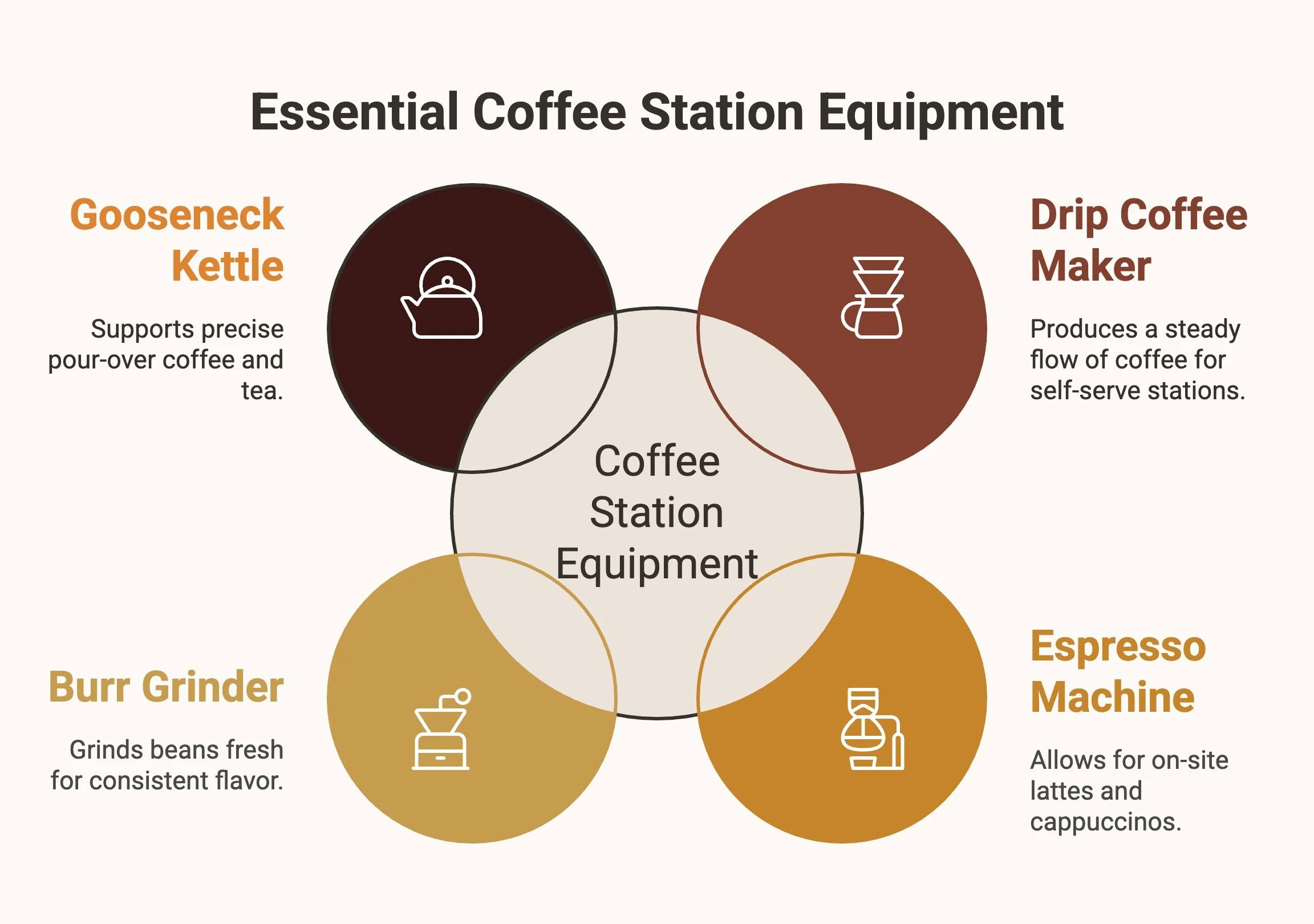
A well-run coffee station starts with equipment that can keep up with guests without creating delays or quality issues, which is a key factor in what to look for in a coffee cart vendor.
These items cover the basics most events need and help service stay smooth from the first cup to the last:
Drip coffee maker or pod system: Produces 20-30+ cups per hour to support steady self-serve flow during busy moments.
Compact espresso machine: Allows on-site lattes and cappuccinos for small to mid-size events without slowing service.
Electric burr grinder: Grinds beans fresh to keep flavor consistent and avoid dull, pre-ground coffee.
Gooseneck kettle with temperature control: Supports pour-over coffee and tea with precise, spill-free pouring.
Water, Milk, and Filtration Essentials
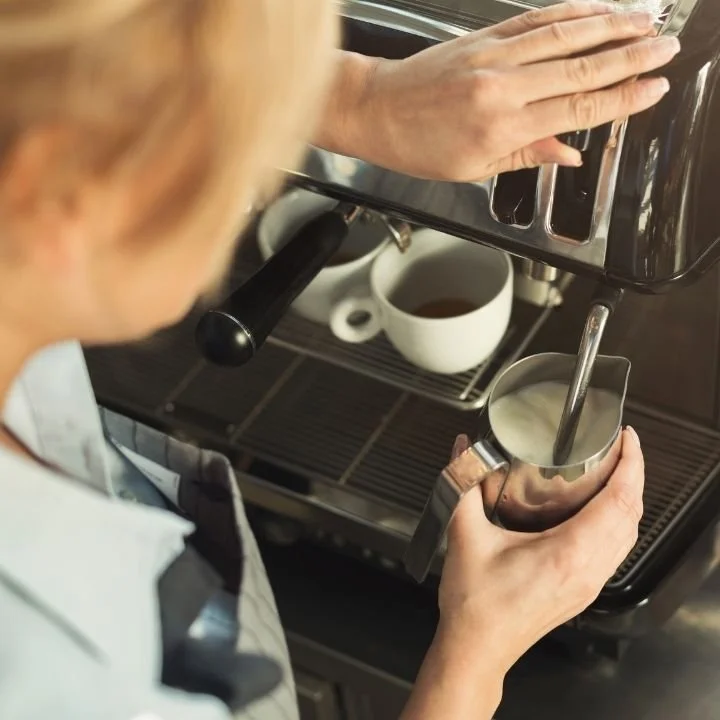
Milk options and water quality have a big impact on how coffee tastes and how smoothly service runs. These essentials help drinks stay consistent, inclusive, and easy to customize for guests.
Filtered water system or pitcher: Reduces chlorine and mineral buildup so coffee tastes clean and consistent throughout the event.
Milk frother: Quickly foams milk for lattes and cappuccinos without slowing service.
Steam wand (when espresso is served): Creates smooth milk texture for higher-quality espresso drinks.
Plant-based milk options: Oat, almond, or soy give guests alternatives without disrupting service flow.
Storage and Organization for Seamless Flow

Smooth service depends on having supplies stored where baristas and guests can reach them quickly. A well-organized coffee station typically includes:
Airtight bean canisters: Hold up to one pound of beans and help preserve freshness throughout the event.
Tiered trays or supply stands: Keep filters, scoops, pods, and small tools within easy reach for quick restocking.
Under-counter mini fridge or cooler: Stores milk and creamers close to the station without taking up prep space.
Cups, Add-Ins, and Utensils Fully Stocked
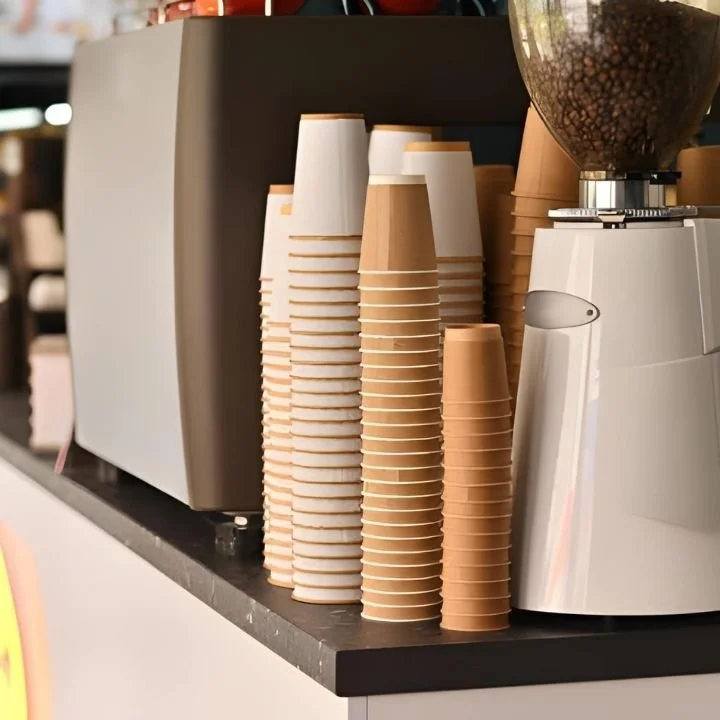
Having the right cups and add-ins helps guests move through the station comfortably and customize drinks without confusion. A well-stocked of the following items keeps choices simple and avoids bottlenecks during busy moments:
Reusable to-go cups: Give guests options for hot and cold drinks, with styles that can match the event or theme.
Sweeteners: Sugar, stevia, and honey in easy-to-use packets so guests can adjust drinks quickly.
Popular syrups: Vanilla and caramel cover most preferences, with sugar-free options for added flexibility.
Simple finishers: Cinnamon and cocoa powder add flavor without complicating the menu.
Utensils and supplies: Scoops, stir sticks, napkins, and microfiber towels keep service tidy and efficient.
Cleaning and Maintenance Included
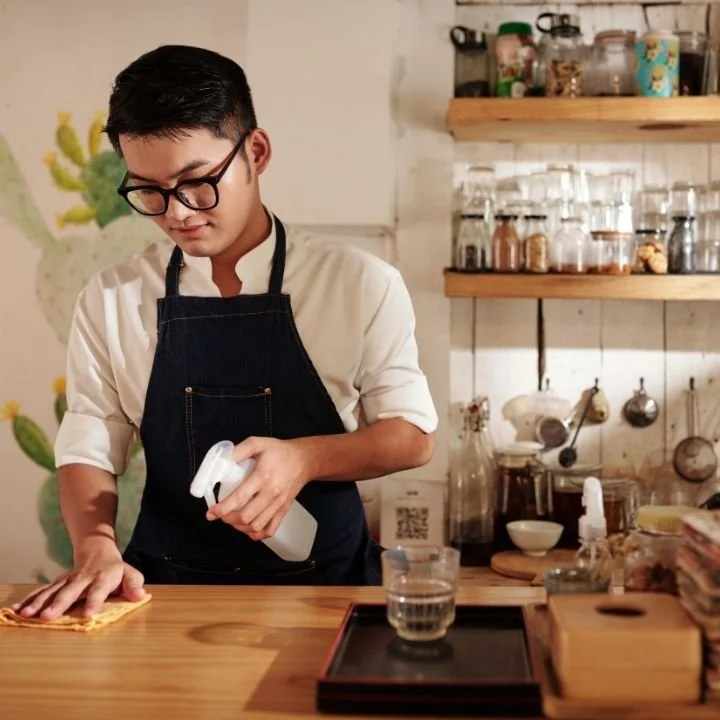
Ongoing cleaning and maintenance keep the coffee station running smoothly throughout the event. Baristas handle regular wipe-downs, equipment checks, and end-of-event cleanup, leaving the space clean and ready to clear. With sanitation managed discreetly, hosts don’t need to worry about mess, downtime, or post-event cleanup.
Why a Complete Coffee Station Package Works
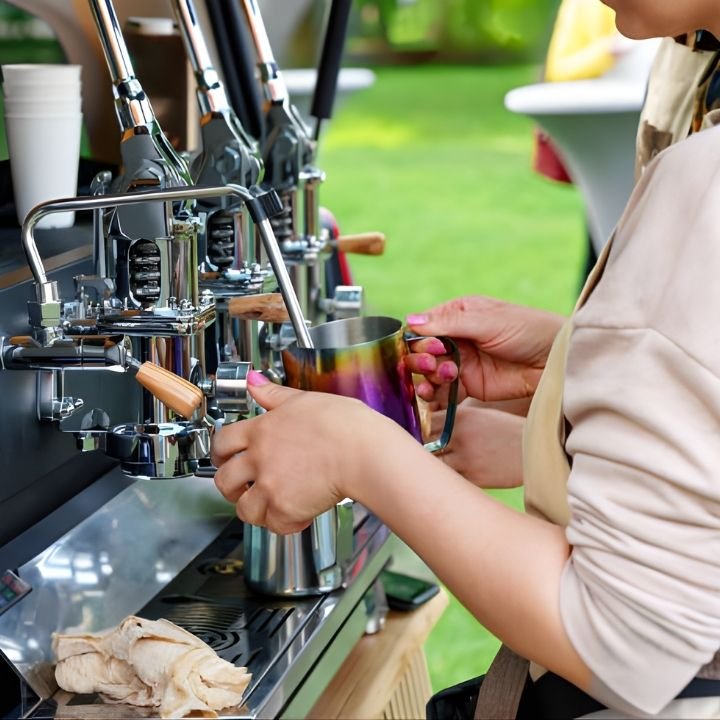
When you hire a coffee catering service, it helps to confirm they provide all the essentials upfront. Having equipment, supplies, and service details handled ahead of time means you don’t have to track missing items or troubleshoot on event day.
A well-prepared coffee station supports different preferences, from espresso drinks to decaf and non-coffee options. When the vendor manages setup, service flow, and cleanup, you can stay present and confident knowing the coffee station is covered from start to finish.
Where Preparation Meets Guest Experience
Understanding what should be included in a coffee station helps prevent small oversights that affect guest experience. When service, organization, and cleanup are planned together, the station stays smooth, inviting, and easy to enjoy.
A complete coffee station gives guests a reason to pause and connect without creating extra work for the host. When everything is handled ahead of time, the event feels lighter and more relaxed.
If you’re planning an event and want a coffee station that feels complete from start to finish, contact us today to talk through the details that matter most.
Frequently Asked Questions
What should be included in a coffee station for an event?
A complete coffee station should include brewing equipment, fresh coffee, filtered water, milk options, cups, add-ins, and basic storage. Organization and cleanup matter just as much. When all essentials are planned together, service stays smooth and guests can help themselves without confusion or delays.
How much coffee should I plan for my event?
Plan for one cup per guest during peak periods, with additional capacity for longer events. Most gatherings average two to three cups per guest over several hours. Having steady brewing capacity matters more than excess volume, since guests tend to return gradually rather than all at once.
How early should a coffee station be set up before an event?
A coffee station should be fully set up at least 60–90 minutes before guests arrive. This allows time for equipment testing, brewing adjustments, and organization. Early setup helps avoid last-minute issues and ensures the station is ready to serve smoothly as soon as guests begin arriving.
Where should a coffee station be placed at an event?
Coffee stations work best near natural gathering areas, such as dessert tables or lounge spaces. Avoid tight entryways or main walkways. Proper placement keeps lines from interfering with guest flow and encourages people to pause, mingle, and enjoy the station without crowding.
Do coffee stations need professional staff?
Staffing isn’t always required, but it makes a noticeable difference for larger or longer events. At Sojourn, professional baristas manage drink flow, restock supplies, and keep equipment clean throughout the event.